
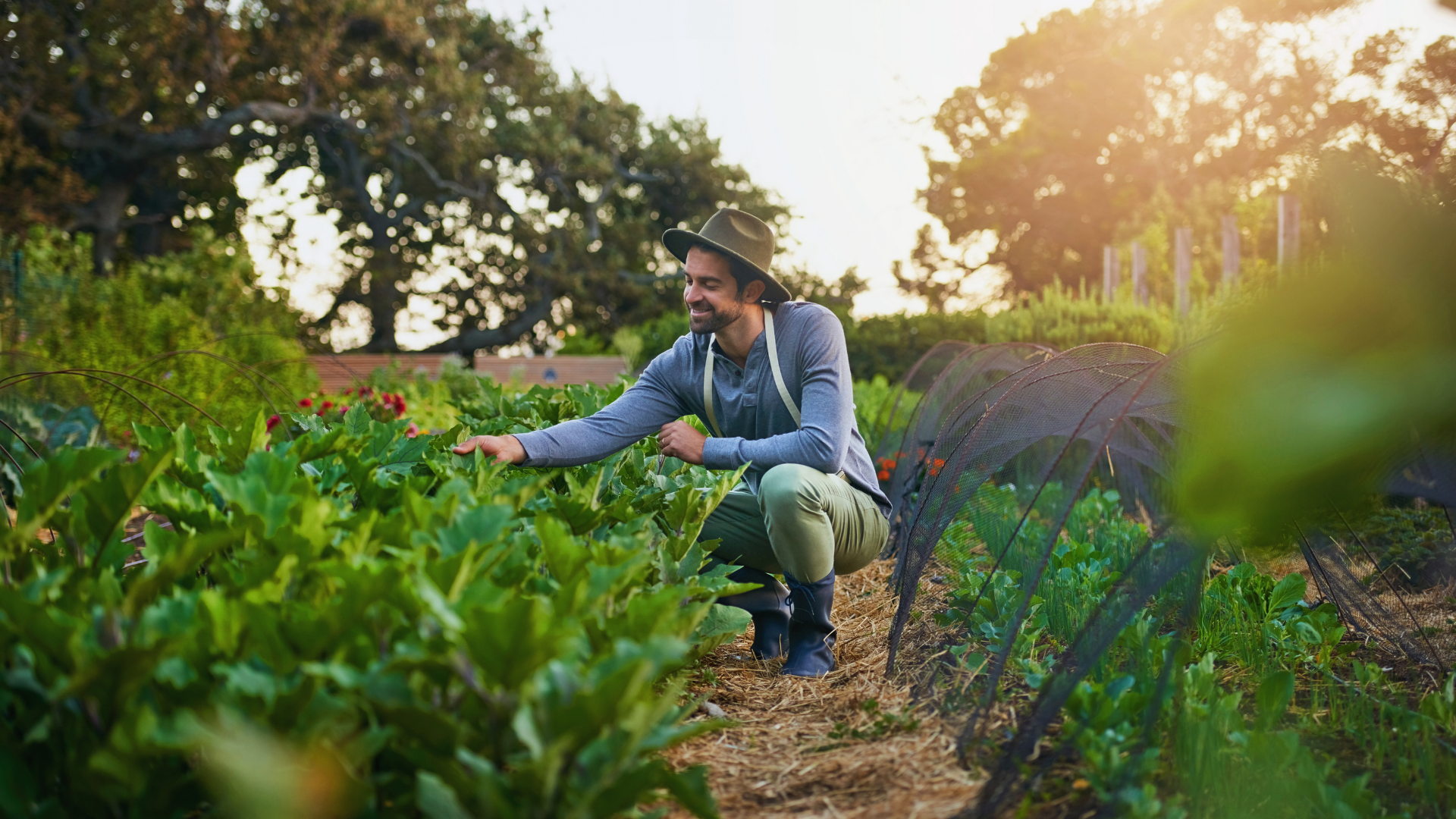
Planting fruits and vegetables at the right time of year is essential for a healthy, productive garden. Different crops thrive in different seasons, so understanding when to plant each type maximizes growth and yield.
A seasonal guide to planting helps gardeners know the ideal months to sow seeds or transplant seedlings for the best results throughout the year. By following this guide, they can avoid common mistakes like planting too early or too late.
This knowledge can lead to a more efficient garden with less wasted effort and resources. Knowing when to plant also supports better planning, ensuring continuous harvests and a varied supply of fresh produce.
Understanding Seasonal Planting
Planting fruits and vegetables according to the right season improves growth and yield by aligning with natural cycles. Success depends on factors like frost dates, soil temperature, and weather patterns that vary by location. Gardeners must adapt their timing and choices based on these elements.
Why Planting by Season Matters
Fruits and vegetables have specific growth requirements tied to temperature and daylight. Planting too early or too late risks frost damage or poor development.
Seasonal planting ensures seedlings face optimal soil temperature and moisture. For example, cool-season crops like lettuce tolerate light frost and thrive in lower temperatures, while warm-season crops like tomatoes need warmer soil and air.
Following seasonal windows helps avoid pest and disease spikes common in off-timing. Seasonal gardening increases the chances of harvesting fresh produce at peak quality and nutritional value.
Determining Your Hardiness Zone
The USDA Hardiness Zone Map divides areas by average annual minimum winter temperatures. This information helps gardeners select plants suited to local climate extremes.
Knowing the hardiness zone identifies safe planting dates and frost periods. Frost dates define the average last spring frost and first fall frost, critical for scheduling outdoor planting.
Gardeners can find hardiness zone data online or through local agricultural extensions. Accurate knowledge of this zone prevents losses from cold snaps and extends the growing season by adjusting start times appropriately.
Key Factors for Successful Growth
Soil temperature must reach a minimum threshold for seed germination; many seeds won’t sprout if the soil is too cold. Monitoring soil temperature informs the best sowing time.
Weather patterns, including rainfall and heat, influence watering needs and plant stress. Seasonal gardening accounts for these trends to maintain healthy growing conditions.
Other factors include soil quality, sunlight levels, and proper spacing. Together, these support strong root systems and nutrient uptake, contributing to a productive garden.
Seasonal Fruit and Vegetable Planting Guide
Planting fruits and vegetables according to season enhances growth and yield. Timely sowing considers temperature, soil condition, and daylight, which directly impact development and harvest quality.
Spring Planting Essentials
Spring is ideal for cold-tolerant crops and early sowing. Vegetables like radishes, spinach, kale, and spring onions thrive when planted as soon as the soil is workable. These crops benefit from cool temperatures and shorter days.
Tomatoes, zucchini, cucumbers, and strawberries require warmer soils and should be started indoors or seeded after the last frost. Asparagus crowns planted in early spring establish well for long-term harvests. Peaches and apples can be grafted or planted to prepare for future seasons.
Consistent watering and gradual exposure to sunlight (hardening off) improve seedling vigor in this period. Soil should be rich in organic matter and well-drained to support root development.
Summer Planting Strategies
Summer allows for fast-growing, heat-tolerant fruits and vegetables. Crops such as tomatoes, zucchini, and cucumbers flourish in high temperatures and long daylight hours. Regular watering is critical to prevent fruit splitting and heat stress.
Root vegetables like carrots and beets can be planted in early summer for fall harvests, benefiting from warm soil but cooler night temperatures later. Continue harvesting strawberries and maintain pruning to promote fruit production.
Brussels sprouts and fall vegetables start mid-to-late summer for autumn maturity. During this time, it’s important to watch for pests, as ants can become particularly active around fruiting plants, interfering with growth and potentially spreading other insects or diseases. Early intervention helps prevent small infestations from becoming serious problems and keeps your garden productive. For instance, if pest activity becomes difficult to manage, a professional ant control company can step in to protect your crops and maintain a healthy garden.
Fall Planting for Abundant Harvests
Fall is prime for planting cool-season vegetables like kale, spinach, and root vegetables such as carrots and radishes. These crops tolerate light frost and develop sweet flavors after cold exposure.
Winter squash and pumpkins planted late summer to early fall mature before frost, providing hearty autumn harvests. Brussels sprouts benefit from fall planting because cool temperatures improve flavor and texture.
Many fruit trees, like pears and apples, use fall to establish roots with dormant planting strategies. Cover crops and mulching preserve soil moisture and nutrients in preparation for winter dormancy.
Winter Planting and Maintenance
Winter planting focuses mostly on maintenance and planning for spring. In mild climates, hardy greens such as kale and certain root vegetables can be sown during winter.
Citrus fruits require protection from freezing temperatures and benefit from mulching and sheltered locations. Indoor starting of tomatoes and peppers prepares seedlings for early spring transplanting.
Pruning, soil testing, and compost addition improve soil health during this period. Structures like cold frames or greenhouses extend the growing season for various seasonal produce. Regular inspection for pests and diseases continues even in dormancy stages.
Essential Techniques for Successful Seasonal Gardening
Successful seasonal gardening depends on preparing the soil properly, managing water efficiently, protecting plants from pests, and using strategic planting methods. These techniques improve crop yield, maintain soil health, and reduce the need for chemical inputs.
Soil Preparation and Enrichment
Soil preparation starts with testing and adjusting pH levels to suit the specific fruits or vegetables. Adding organic matter like compost or well-rotted manure enhances soil structure, nutrient content, and water retention.
Tilling the soil deeply breaks compacted layers, allowing roots to penetrate more easily. Incorporating cover crops during the off-season can improve nitrogen levels and reduce erosion. Proper soil preparation sets a strong foundation for healthy plant growth.
Companion Planting and Crop Rotation
Companion planting involves placing plants next to each other that benefit growth or deter pests. For example, planting basil near tomatoes can reduce aphid populations naturally.
Crop rotation prevents nutrient depletion by alternating plant families annually. For instance, follow nitrogen-fixing legumes with heavy feeders like corn or squash. Rotating crops also disrupts pest and disease cycles common in monoculture systems.
Using these methods preserves soil fertility and reduces pest problems without synthetic chemicals.
Watering, Mulching, and Irrigation Methods
Efficient watering supports growth without wasting resources. Drip irrigation delivers water directly to roots, minimizing evaporation and fungal diseases. Watering early in the day maximizes absorption and reduces water stress.
Applying mulch controls weeds, retains moisture, and stabilizes soil temperature. Organic mulches like straw or shredded leaves also add nutrients as they decompose. Proper irrigation paired with mulching helps maintain consistent soil moisture and plant health.
Pest Management and Plant Protection
Integrated Pest Management (IPM) combines multiple strategies to control pests while minimizing harm to beneficial insects. Techniques include encouraging beneficial insects such as ladybugs, applying row covers to exclude pests, and using natural predators or traps.
Regular monitoring helps detect pest problems early. Organic methods like handpicking or neem oil applications target pests without chemical residues. Effective pest management balances control with maintaining ecosystem health. Some gardeners also consult local experts, and many look for guidance from the best pest control company in eagle idaho or similar resources when pest pressures become difficult to manage alone. Adding companion plants that naturally deter pests can strengthen a garden’s resilience. With consistent observation and the right support, small issues can be addressed before they turn into larger infestations, helping maintain a thriving, healthy growing environment.
Planning and Maintaining a Year-Round Planting Schedule
Maintaining a year-round planting schedule requires detailed organization and attention to timing. It involves mapping out when to start seeds, transplant seedlings, and plan for continuous harvests to maximize garden output and flavor throughout all seasons.
Creating a Seasonal Planting Calendar
A seasonal planting calendar helps track the optimal planting windows for fruits and vegetables based on local frost dates and climate conditions. It should include key dates for direct sowing, seed starting indoors, and transplanting.
For example, cool-season crops like spinach and peas are best planted in early spring or late summer, while warm-season crops such as tomatoes and peppers require planting after the last frost. Including spacing and expected harvest times will aid in planning successive plantings to avoid gaps.
Calendars can be physical charts, apps, or spreadsheets tailored to the specific region. This tool supports better garden planning and timely tool maintenance before and after planting periods.
Timing Seed Starting and Transplants
Starting seeds indoors ahead of the planting season extends growing time and improves plant vigor. Seed starting usually occurs 4-8 weeks before the last expected frost date, depending on the crop.
For example, tomatoes and peppers need a longer indoor start, while beans and squash seeds are often sown directly outdoors. Transplant seedlings when they have developed several true leaves and soil temperatures are appropriate to reduce shock.
Proper timing ensures plants are strong when placed in the garden, improving yields and flavor. Tracking seed starting dates alongside frost schedules is vital to synchronize transplanting with outdoor conditions.
Garden Planning for Continuous Harvests
To achieve continuous harvests, stagger planting dates and choose varieties with different maturity rates. For example, plant early, mid, and late-season varieties of carrots or lettuce spaced by two to three weeks.
Companion planting and successive sowing help maintain a steady supply while reducing garden downtime. Planning space for tool storage and maintenance between planting cycles minimizes disruptions.
Using this approach, gardeners can rotate crops that balance nutrient use and support soil health, promoting better growth and flavor year-round.