
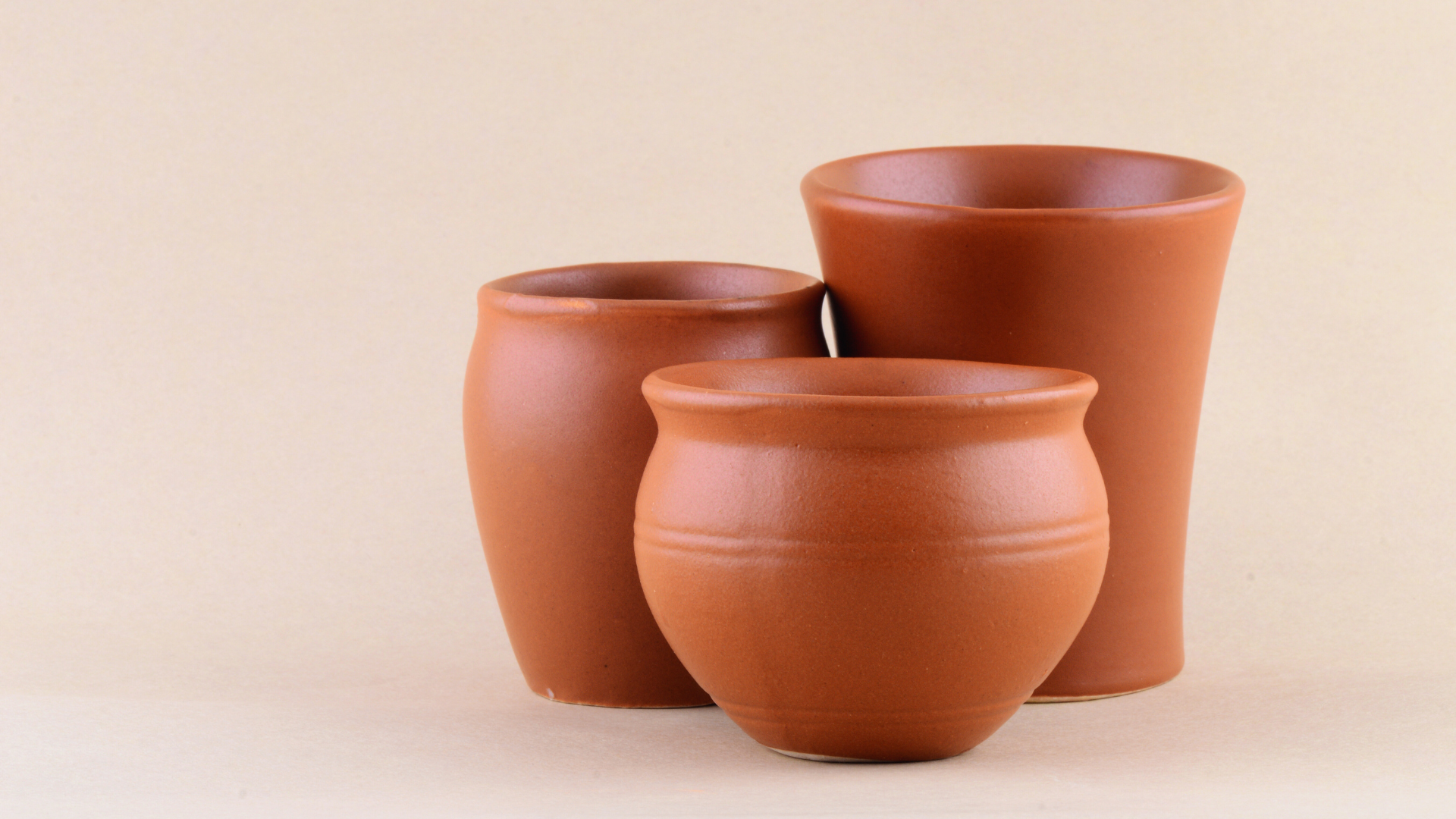
Handmade goods play a significant role in creating a sustainable home by reducing reliance on mass-produced items that often involve excess waste and energy consumption. They often use natural, local materials and traditional techniques, minimizing the environmental footprint.
Choosing handmade products supports slow consumption and durability, which directly contributes to sustainability by encouraging longer-lasting and repairable items. This approach contrasts with fast consumerism, where disposable goods contribute to landfill overflow.
Additionally, handmade goods often reflect personal values and connection to craftsmanship, encouraging mindful purchasing decisions. This mindset shift promotes a more thoughtful lifestyle that values quality over quantity.
How Handmade Goods Support a Sustainable Home
Handmade goods contribute to sustainability by using fewer resources, reducing harmful emissions, and lasting longer than many mass-produced items. Their benefits combine to minimize waste and energy consumption within a household.
Reducing Environmental Impact
Handmade products often use local and natural materials, which limits the need for intensive industrial processing. This approach reduces chemical use and pollution associated with factory production.
Artisans typically avoid synthetic materials and excessive packaging. This decreases plastic waste and reduces the environmental burden linked to shipping and mass distribution.
Choosing handmade supports smaller production scales, which generate less industrial runoff and reduce strain on local ecosystems. The environmental benefits extend beyond the product itself to its entire lifecycle.
Lowering the Carbon Footprint
Handmade goods usually require less energy to produce compared to factory-made alternatives. Artisans rely on manual skills and local resources rather than heavy machinery and large supply chains.
This localized production cuts down transportation emissions. Fewer shipping miles mean reduced carbon dioxide release linked with imported goods.
By limiting reliance on industrial manufacturing, handmade items play a role in lowering the community’s overall carbon footprint. This is a key aspect of sustainable living efforts.
Extending Product Lifespans
Handmade items are often made with quality and durability in mind. Artisans focus on crafting products to last, using traditional techniques that enhance strength and repairability.
Longer-lasting goods reduce the frequency of replacement, leading to less material consumption and lower waste generation. This helps conserve resources and supports sustainable home practices.
Repair and customization options are common with handmade products. This flexibility increases the item’s usable life and contributes to a circular economy within the home.
Materials and Practices for Eco-Friendly Handmade Goods
Using materials that reduce environmental impact and adopting responsible production methods are essential for sustainable handmade goods. This approach emphasizes durability, biodegradability, and minimizing waste throughout the crafting process.
Using Natural and Recycled Materials
Natural materials like organic cotton, bamboo, wool, and hemp are preferred for their biodegradability and low environmental footprint. These fibers avoid synthetic chemicals and reduce pollution during production.
Recycled materials, including reclaimed wood and upcycled fabrics, extend the life of existing resources. Using recycled metals or glass reduces mining and energy consumption. Both natural and recycled options limit waste and demand less energy.
Choosing certified sustainable materials—such as FSC-certified wood or GOTS-certified textiles—assures environmental responsibility and worker safety. This guarantees the materials meet strict standards for eco-friendly sourcing.
Embracing Traditional Techniques
Handmade goods often incorporate traditional craft methods like weaving, pottery, or woodworking that rely on minimal machinery and fewer pollutants. These techniques typically have lower carbon footprints compared to mass production.
Traditional skills encourage durability, producing long-lasting goods rather than disposable items. These methods also support cultural heritage, connecting sustainability with community value.
Using techniques like natural dyeing with plant-based colors avoids harmful chemicals. Artisans can create products that reflect environmental consciousness through process as well as material.
Sourcing Locally and Responsibly
Local sourcing of materials and labor reduces transportation emissions significantly. It also supports regional economies and encourages transparency in supply chains.
Responsibly sourcing requires verifying that raw materials are harvested without damaging ecosystems or exploiting workers. Artisans often develop strong relationships with suppliers to ensure ethical standards.
Proximity allows for customization and quality control, ensuring materials align with sustainable craft principles. This practice encourages environmental stewardship while maintaining craftsmanship integrity.
Social and Cultural Impacts of Handmade Goods
Handmade goods provide more than just functional or decorative value in homes. They foster social connections and support cultural identity through specific economic and traditional systems.
Supporting Artisans and Fair Trade
Handmade products often come from artisans who rely on fair trade practices to earn sustainable incomes. Fair trade ensures artisans receive fair wages and work safe conditions, avoiding exploitation common in mass production.
Consumers’ purchasing handmade goods directly impacts communities by promoting economic independence and reducing poverty. This system values quality craftsmanship and ethical labor over cheap, mass-produced items.
Fair trade certification also encourages transparency, allowing buyers to track the origins and ethical standards behind each product. This encourages responsible consumer choices that support artisan livelihoods globally.
Preserving Cultural Heritage
Handmade goods maintain and transmit cultural heritage by preserving traditional techniques and artistic styles. Artisans use skills passed down through generations, keeping cultural narratives alive in modern settings.
These crafts often reflect a community’s history, values, and environment. Incorporating such goods into a home connects owners to diverse cultural stories and identities.
The continued demand for handmade goods helps prevent cultural traditions from disappearing under industrialization. It also provides artisans with pride and recognition for their cultural contributions.