
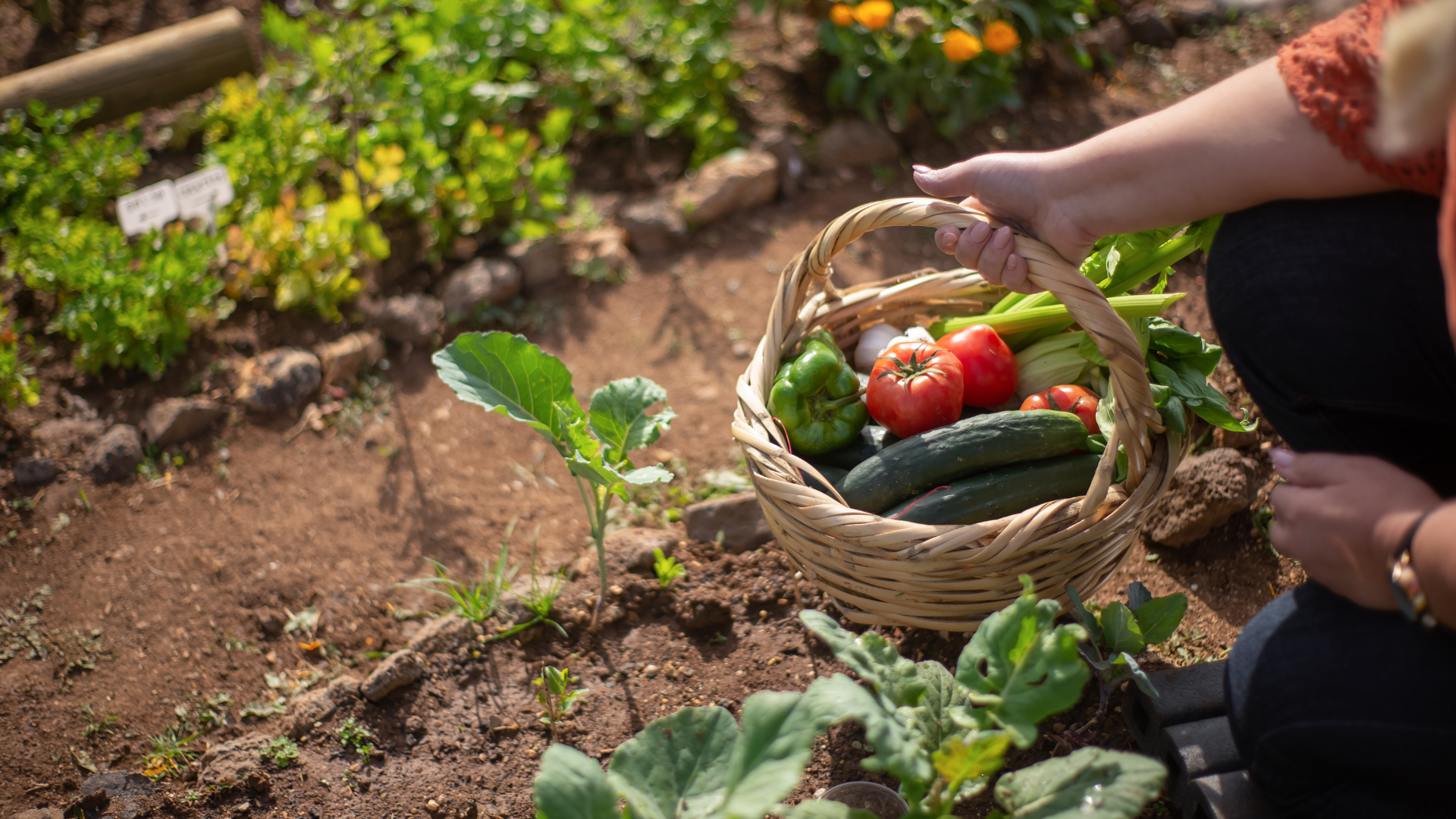
Growing an edible garden offers practical benefits that go beyond just having fresh food. It can improve access to nutritious produce while reducing grocery costs. An edible garden allows individuals to control what they grow, ensuring healthier and pesticide-free options.
In addition to economic and health advantages, cultivating an edible garden promotes sustainability by lowering the carbon footprint associated with food transportation. It also encourages a deeper connection to nature and a better understanding of food sources.
People who grow their own food often find satisfaction in the process and results. This direct involvement can increase awareness of seasonal eating and inspire more mindful consumption habits.
Key Benefits of Growing an Edible Garden
Growing an edible garden offers direct access to fresh produce, addresses concerns of food availability, and reduces expenses related to grocery shopping. It connects homeowners to their food source and provides tangible rewards in nutrition, cost savings, and local resilience.
Enjoy Fresh and Nutritious Homegrown Produce
Homegrown fruits, vegetables, and herbs provide superior freshness compared to store-bought options. When harvested, they retain more nutrients since they are consumed shortly after picking, unlike produce that travels long distances.
Growing your own food allows control over soil quality and avoids harmful pesticides. This results in cleaner and often more nutritious produce. The variety of fruits and vegetables can be tailored to personal taste and dietary needs, ensuring a diverse nutrient intake.
Additionally, an edible garden encourages seasonal eating. This naturally aligns diets with the freshest available produce throughout the year, maximizing nutritional benefits.
Improve Food Security and Community Resilience
An edible garden increases personal food security by reducing reliance on external supply chains. Homeowners can maintain a consistent source of fruits and vegetables even during disruptions like price hikes or shortages.
Edible gardens contribute to community resilience by promoting local food production. When more individuals grow their own food, the community collectively becomes less vulnerable to food supply shocks.
Moreover, edible gardens encourage sharing and local knowledge exchange. Neighbors may share surplus harvests or gardening tips, fostering stronger food networks and resourcefulness.
Save Money on Groceries
Growing an edible garden helps save money by cutting the need to buy fruits, vegetables, and herbs frequently. The initial investment in seeds and tools is often recovered within one growing season.
Costs for fresh produce can be high, especially organic varieties. By growing your own, expenses decrease significantly over time, particularly for commonly used ingredients like tomatoes, basil, or lettuce.
An edible garden also reduces food waste. Homeowners pick what they need, which minimizes spoilage compared to store-bought produce that might go unused. This contributes to overall cost efficiency.
Environmental and Ecological Advantages
Growing an edible garden impacts the environment in measurable ways. It lowers harmful emissions, increases local biodiversity, and creates spaces essential for pollinators such as bees and butterflies.
Reduce Carbon Footprint and Emissions
Edible gardens cut down on food transportation, which directly reduces carbon emissions. By growing food locally, they eliminate the need for long-distance shipping that contributes significantly to the carbon footprint.
Additionally, many gardeners use organic practices that avoid synthetic fertilizers and pesticides, further reducing greenhouse gas emissions linked to their production and application. Composting garden waste also limits methane release from landfills.
These actions help mitigate climate change by lowering overall carbon output in daily food production and consumption routines.
Support Biodiversity and Local Ecosystems
Edible gardens foster biodiversity by creating diverse habitats for various organisms. This supports local ecosystems by encouraging beneficial insects, earthworms, and birds that naturally manage pests and improve soil health.
By planting a variety of fruits, vegetables, and herbs, gardeners increase plant diversity, which strengthens ecosystem resilience and balances nutrient cycles. Avoiding monoculture also reduces vulnerability to pests and diseases.
Supporting local ecosystems this way helps maintain ecological functions important for environmental stability.
Promote Pollination and Help Pollinators
Edible gardens provide essential forage for pollinators like bees and butterflies. Diverse flowering plants, including herbs and vegetables, offer nectar and pollen throughout growing seasons.
These gardens combat habitat loss caused by urbanization and agriculture, which often reduces pollinator populations. Healthy pollinator services improve crop yields and maintain plant reproduction.
By sustaining pollinator health, edible gardens contribute directly to stable food production and ecosystem integrity.
Physical, Mental, and Educational Value
Growing an edible garden offers tangible benefits that touch on physical health, mental well-being, and educational growth. It involves active engagement with the environment and practical learning through direct experience with plants and harvesting.
Boost Physical Activity and Well-Being
Edible gardening requires regular physical activity, including digging, planting, watering, and weeding. These tasks promote strength, flexibility, and endurance by involving multiple muscle groups.
Engaging in garden work often exceeds the calories burned during light exercise, contributing to cardiovascular health. The repetitive motions encourage fine motor skills and improve hand-eye coordination.
Spending time outdoors through gardening also exposes individuals to natural sunlight, which aids vitamin D synthesis. This can improve bone health and reduce the risk of certain deficiencies. Overall, edible gardening encourages sustainable, low-impact physical activity.
Enhance Mental Health and Reduce Stress
Gardening activities are shown to lower cortisol levels, the hormone linked to stress. The process of nurturing plants creates a sense of purpose and accomplishment.
Interaction with soil and plants may trigger beneficial biochemical responses, boosting mood-regulating neurotransmitters. Focused tasks like planting and harvesting offer mindfulness benefits by directing attention away from external stressors.
Regular garden care provides routine and structure, which supports mental health stability. The visible results of growth and harvest can increase self-esteem and reduce symptoms of anxiety and depression.
Create Learning Opportunities for All Ages
Edible gardening offers hands-on education in biology, ecology, and nutrition. It allows learners to observe plant life cycles, pollination, and soil science firsthand.
For children, gardening develops patience, responsibility, and observation skills. Adults gain practical knowledge of sustainable living practices and healthy eating through growing and harvesting their own food.
The garden becomes a living classroom, adaptable for formal education or informal skill-building. It supports cross-generational learning by engaging participants of different ages in a common activity.
| Educational Benefits | Examples |
| Biology and Ecology | Plant growth and pollination |
| Nutrition and Food Science | Understanding healthy foods |
| Life Skills | Patience, responsibility |
Practical Tips for a Successful Edible Garden
A thriving edible garden depends on choosing the right plants, making efficient use of space, and applying sustainable practices. Attention to these areas helps gardeners grow healthy vegetables and herbs throughout the season.
Select Suitable Crops and Varieties
Choosing crops that suit the local climate and soil type is essential. Tomatoes and lettuce often perform well in temperate zones, while herbs like basil thrive in warmer conditions. Selecting disease-resistant or fast-maturing varieties can reduce maintenance and increase yield.
Gardeners should consider the space each crop requires. For example, leafy greens like lettuce fit well in smaller areas, while tomatoes may need staking or cages. Starting with seedlings can also give plants a head start, especially for shorter growing seasons.
Starting seedlings indoors or under glass helps protect young plants from late frosts. Many homeowners use a dedicated garden room or sunroom to get their tomatoes and herbs started early in the year. If you want to create a permanent, light-filled space for year-round growing, local suffolk conservatory installers can help design a glass extension that suits your property. This type of structure keeps plants warm and lets in plenty of natural light.
Crop rotation and companion planting help maintain soil health and reduce pests. Planting herbs like basil near tomatoes can improve flavor and deter insects, making these combinations practical beyond aesthetics.
Practice Sustainable Gardening Techniques
Using organic fertilizers and regular composting enriches the soil naturally, reducing reliance on chemical products. Composting kitchen scraps and garden waste returns nutrients, improving soil structure and moisture retention.
Pruning crops like tomatoes is critical for air circulation and directing energy to fruit production. Removing diseased or excess foliage prevents fungal issues and promotes healthier plants.
Water conservation methods, such as drip irrigation or mulching, minimize evaporation and deliver water efficiently. Avoiding excessive tilling preserves soil microbes and reduces erosion, supporting long-term garden health.
Meanwhile, achieving the best results often requires a more refined approach to plant care and ongoing maintenance. In this context, professional support through garden services can help manage detailed tasks such as pruning, soil care, and plant health, ensuring the garden remains both sustainable and visually appealing.
Optimize Space with Smart Design
Maximizing available space boosts productivity, especially in limited areas. Vertical supports like trellises are ideal for climbing vegetables such as peas or indeterminate tomatoes, freeing ground space for shorter crops like lettuce.
Raised beds and container gardening allow better control of soil quality and drainage. Grouping plants with similar water and sunlight needs simplifies care routines. For instance, placing sun-loving tomatoes together ensures they receive appropriate light.
Intercropping fast-growing herbs between slower vegetables helps fill gaps and reduces weed growth. Paths should be designed to allow easy access for pruning and harvesting without compacting soil around roots. Furthermore, incorporating proper drainage solutions can be essential, particularly for maintaining raised beds and preventing waterlogging in paths. Understanding what is a french drain, or other solutions like channel drain, can be beneficial for managing subsurface water issues that can affect garden health.