
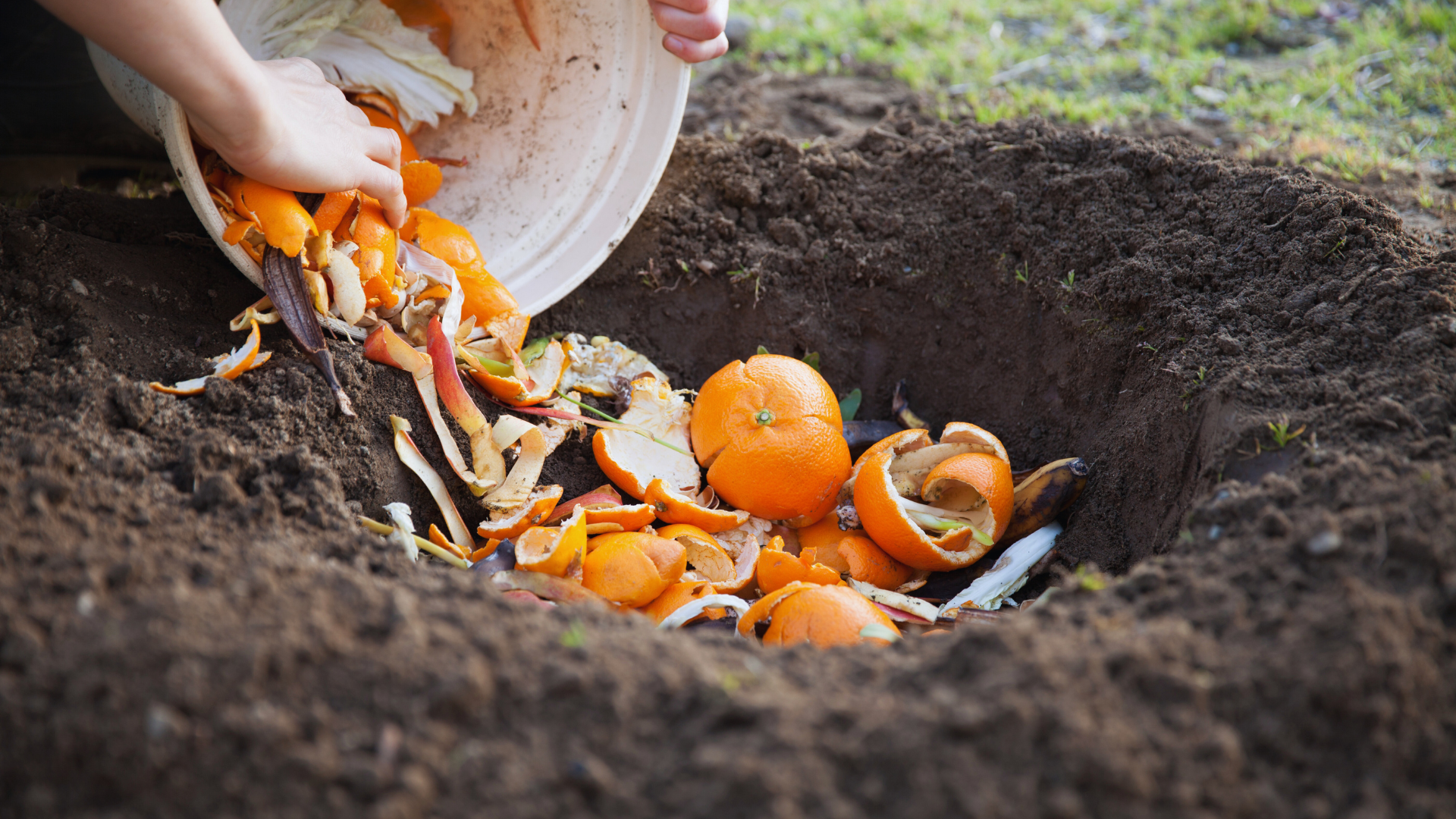
Composting plays a crucial role in soil conservation by recycling organic waste into nutrient-rich material that improves soil health. Adding compost to soil enhances moisture retention, reduces erosion, and increases nutrient content, which collectively protect and sustain the soil over time.
Healthy soil is the foundation for plant growth and ecosystem stability, making soil conservation essential. Compost helps restore degraded soils, making them more resilient against weather extremes and human impact.
Understanding the link between composting and soil conservation highlights a practical way to manage waste sustainably while preserving vital natural resources. This connection benefits agriculture, gardening, and the environment as a whole.
The Essential Role of Composting in Soil Conservation
Composting improves multiple aspects of soil health critical to conservation efforts. It directly influences soil structure, reduces erosion risks, and aids in capturing atmospheric carbon in the soil.
How Composting Enhances Soil Structure and Stability
Composting breaks down organic materials into humus, a key component that binds soil particles. This process increases soil aggregation, improving porosity and water retention.
Improved soil structure supports root growth and microbial activity. Compost adds nutrients and organic matter, making the soil more resilient to compaction and degradation.
Stable soil aggregates created through compost use reduce surface crusting and promote better infiltration, essential for plant health and reducing runoff.
The Impact on Soil Erosion Prevention
Compost application strengthens soil against erosion by enhancing its physical properties. The improved structure allows soil to better absorb and retain water during heavy rains.
By increasing organic content, compost boosts vegetative growth, which anchors the soil with root systems. This biological reinforcement is essential in preventing topsoil loss.
Using compost reduces the likelihood of soil being washed or blown away. This maintains soil depth and fertility, which are crucial for long-term land productivity.
Contributions to Carbon Sequestration
Composting contributes to soil carbon sequestration by transforming organic waste into stable soil carbon forms. This process traps carbon in the soil instead of releasing it as CO2.
The increased organic matter from compost supports microbial life that facilitates carbon storage at deeper soil layers. Soils rich in organic carbon can mitigate greenhouse gas effects.
By integrating compost regularly, land managers enhance the soil’s ability to act as a carbon sink, supporting climate regulation alongside soil conservation goals.
Building Healthy and Resilient Soils Through Compost
Compost plays a crucial role in enhancing soil properties that support plant growth and environmental stability. It actively contributes to the organic matter content, water management, and chemical balance of soils, which are vital factors in soil conservation.
Organic Matter Decomposition and Soil Organic Matter
Compost is rich in decomposed organic material that adds to soil organic matter (SOM). SOM improves soil structure by forming aggregates that increase porosity and aeration. This promotes root growth and supports beneficial microorganisms.
The decomposition process breaks down carbon-based materials into humus, a stable form of organic matter. Humus retains nutrients and slowly releases them, reducing the need for chemical fertilizers. Increased SOM also enhances nutrient cycling and microbial activity essential for healthy soils.
Improving Water Retention and Drought Resilience
Adding compost to sandy soils significantly improves water retention. It acts like a sponge, increasing the soil’s capacity to hold moisture and reducing runoff. This is especially important in areas prone to drought or irregular rainfall.
By enhancing water retention, compost lowers plant stress during dry periods. It also reduces irrigation needs, saving water resources. When used as mulch, compost further reduces evaporation and insulates soil against temperature extremes.
Enhancing Soil pH and Buffering Capacity
Compost helps stabilize soil pH by neutralizing both acidic and alkaline conditions. Its organic acids can lower high pH, while its mineral content can raise low pH soils, making nutrients more available to plants.
The buffering capacity of composted soils increases, meaning the soil resists sudden changes in pH. This protects plants and soil organisms from harmful fluctuations caused by fertilizers or environmental factors. Regular application of compost keeps pH within optimal ranges for agricultural productivity.
Compost Application and Soil Biodiversity
Compost contributes to a richer and more resilient soil ecosystem by boosting microbial life, soil organisms, and nutrient dynamics. It impacts the soil environment in ways that improve structural health and disease resistance.
Beneficial Microorganisms and Microbial Diversity
Compost introduces and supports a wide variety of beneficial microorganisms, including bacteria and fungi. These microbes increase microbial diversity, which enhances soil function through improved organic matter decomposition and nutrient availability.
Bacteria in compost help break down complex organic compounds into forms plants can absorb. Fungi contribute by decomposing tough materials like lignin, aiding soil aggregation and water retention. The enhanced microbial community fosters nutrient cycling and creates a balanced soil ecosystem.
Microbial diversity in compost-amended soils suppresses harmful pathogens by outcompeting them for resources. This microbial richness supports soil fertility and plant growth by maintaining stable and active microbial populations.
The Role of Earthworms and Beneficial Soil Organisms
Earthworms and other beneficial soil organisms thrive when compost is applied. Earthworms ingest organic matter, mixing it with soil and producing nutrient-rich casts that improve soil structure and drainage.
These organisms increase soil porosity and aeration, facilitating root growth and water movement. Compost also boosts populations of nematodes and microarthropods, which contribute to organic matter breakdown and release nutrients usable by plants.
By fostering a healthy community of soil organisms, compost enhances biological activity essential for maintaining soil biodiversity. This activity improves the soil’s ability to resist compaction and erosion.
Supporting Sustainable Nutrient Cycling
Compost application ensures a continuous supply of nutrients by slowly releasing nitrogen, phosphorus, and other essential elements. This slow release aligns with plant uptake, reducing nutrient losses through leaching or volatilization.
Microorganisms in compost mineralize organic compounds, turning them into inorganic nutrients accessible to plants. This process maintains nutrient availability across growing seasons and supports soil fertility without synthetic fertilizers.
The enhanced nutrient cycling promoted by compost preserves the long-term productivity of soil. It reduces the disruption of natural soil processes and prevents nutrient imbalances that can degrade soil health.
Disease Suppression and Soil Health
Compost-amended soils show increased resistance to soil-borne diseases. Beneficial microbes from compost compete with or antagonize pathogens, limiting their growth and spread in the soil ecosystem.
Specific bacteria and fungi in compost produce antibiotics or enzymes that suppress harmful organisms. This biological control reduces the need for chemical treatments and supports healthier plants.
Healthy soil biology from compost application strengthens plant immune responses. Soils rich in microbes and organic matter create conditions unfavorable for disease development, contributing to sustained soil health.
Compost, Nutrient Availability, and Sustainable Agriculture
Compost enhances nutrient availability by recycling essential elements directly into the soil. This process reduces the need for synthetic inputs, supports plant health, and promotes sustainability in farming systems. It also influences key factors like crop yield and environmental impact.
Key Macronutrients and Micronutrients in Compost
Compost supplies vital macronutrients, including nitrogen (N), phosphorus (P), and potassium (K), which are crucial for plant development. Nitrogen stimulates leaf growth, phosphorus supports root and flower formation, and potassium aids overall plant health and disease resistance.
Micronutrients such as iron (Fe), zinc, manganese, and copper are also present in compost. These trace elements assist in enzyme function and chlorophyll production. The combination of macro- and micronutrients improves nutrient recycling, maintaining soil fertility over time.
Nutrient release from compost is gradual, reducing the risk of leaching and depletion compared to synthetic fertilizers.
Reducing Reliance on Synthetic Fertilizers
By providing naturally available nutrients, compost decreases dependency on synthetic fertilizers. This reduction helps lower costs for farmers and minimizes chemical runoff into water bodies.
Compost’s slow nutrient release aligns better with plant uptake patterns than many synthetic inputs, reducing nutrient loss. It also improves soil organic matter, which supports nutrient retention and cycling.
Using compost can complement practices like crop rotation and reduced tillage, further enhancing soil health and reducing external inputs in sustainable agriculture systems.
Impacts on Plant Growth and Crop Yields
Plants grown in compost-enriched soils typically show improved growth and resilience. Compost enhances soil structure and moisture retention, which supports root expansion and nutrient uptake.
Crop yields often increase due to better nutrient availability and healthier soil biota. This nutrient-rich environment supports sustained productivity rather than quick, short-term responses seen with synthetic fertilizers.
Regular compost application contributes to food security by promoting long-term soil productivity, enabling consistent and higher-quality harvests.
Environmental Sustainability and Climate Benefits
Compost use reduces methane emissions from organic waste that would otherwise decompose anaerobically in landfills. Its integration into farming reduces synthetic fertilizer production, which is energy-intensive and a source of greenhouse gases.
Increased soil organic matter from compost improves carbon sequestration, aiding climate change mitigation. It also reduces nutrient runoff, protecting water quality and biodiversity.
By supporting nutrient recycling, compost strengthens environmental sustainability and aligns with goals in modern sustainable agriculture practices.