
Gardening offers practical opportunities to reduce waste by changing everyday habits. By composting plant scraps, reusing containers, and choosing native plants, gardeners can limit the amount of trash they produce. Simple steps like these make it easy to turn garden waste into valuable resources instead of landfill material.
Careful planning and mindful planting help prevent excess produce and packaging waste. Capturing rainwater and using organic mulches also contribute to sustainability without added effort. These straightforward practices create a garden that supports environmental health while reducing waste.
Composting for Waste Reduction
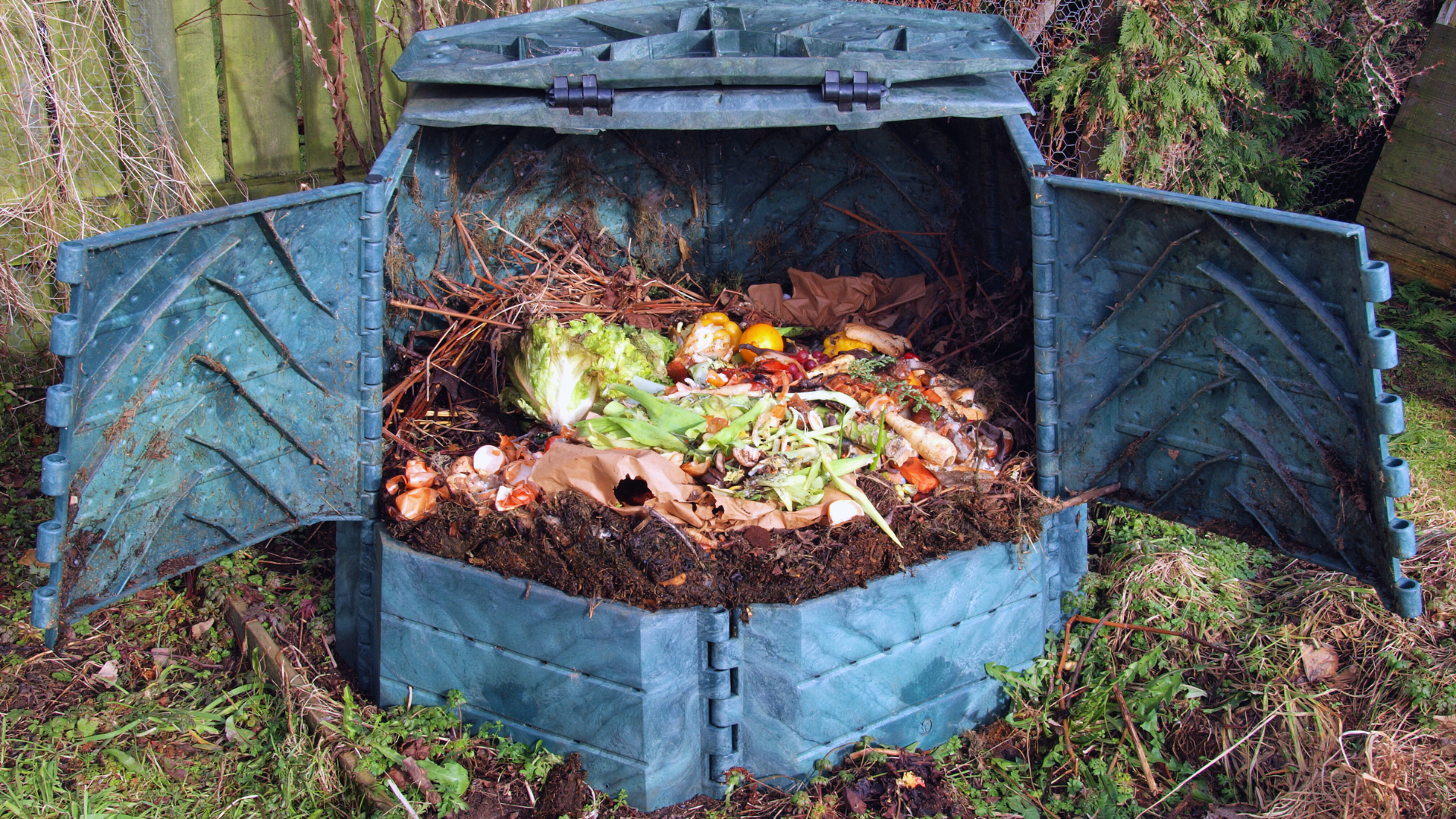
Composting turns kitchen scraps and yard waste into nutrient-rich soil, reducing the amount of organic waste sent to landfills. It involves managing a compost bin properly, knowing what materials to include or exclude, and using the finished compost to improve garden soil naturally.
Starting a Compost Bin
A compost bin is the foundation of effective composting. Choose a bin with good ventilation and drainage to prevent excess moisture and odor. Place it in a shaded area to maintain balanced temperatures.
Layer kitchen scraps like vegetable scraps, coffee grounds, and leaves with dry yard waste such as twigs or shredded paper. Turning the pile every one to two weeks improves aeration and speeds decomposition. A well-maintained bin breaks down organic waste within a few months, depending on conditions.
What to Compost and What to Avoid
Compostable materials include fruit and vegetable scraps, coffee grounds, eggshells, grass clippings, leaves, and small branches. These provide the carbon and nitrogen balance essential for decomposition. Adding a mix of green (nitrogen-rich) and brown (carbon-rich) materials ensures efficient composting.
Avoid meat, dairy, oily foods, and diseased plants, as they attract pests and slow the process. Also, stay clear of chemically treated wood or plants with pesticides. Proper selection of materials keeps the compost healthy and usable for the garden.
Using Compost as Natural Fertilizer
Compost enriches garden soil by improving its structure, moisture retention, and nutrient content. It supplies organic matter that supports beneficial microorganisms and reduces the need for synthetic fertilizers.
Apply finished compost as a mulch layer around plants or mix it directly into the soil. A typical application is one to two inches thick on beds before planting. This natural fertilizer enhances plant growth and reduces waste disposal at landfills.
Reusing and Repurposing Materials in the Garden
Reusing materials in the garden helps lower waste and save money. By creatively using what would normally be discarded, gardeners can limit the need for new products and reduce plastic and organic waste.
Repurposing Old Containers and Tools
Old containers like buckets, pots, and trays can serve new functions in the garden. For example, worn-out pots can become seed starters or be cut into plant labels. Buckets with holes drilled in the bottom make effective self-watering containers.
Damaged tools can often be repaired or used for other purposes. A broken rake head might work as a trellis for climbing plants. This prevents usable materials from becoming garden waste and supports ongoing garden maintenance.
Using Recycled Materials for Garden Projects
Recycled wood, bricks, and metal are practical for garden structures like raised beds and fencing. Using salvaged materials reduces demand for new resources and keeps waste out of landfills.
For garden paths, crushed recycled concrete or bricks create stable, permeable surfaces. When combined with organic waste such as compost, these materials improve soil health and reduce overall garden waste.
Reducing Plastic Waste in Planting
Plastic pots and trays contribute significantly to garden-related waste. Switching to biodegradable pots made from coconut coir or compressed paper limits plastic accumulation.
Gardeners should also reuse plastic containers whenever possible. Cleaning and repurposing them for seed starting or as drip trays can extend their life and delay disposal. Collecting and recycling plastic pots through local programs further reduces environmental impact.
Sustainable Gardening Habits for Minimizing Waste
Adopting specific gardening practices reduces waste and supports healthier garden ecosystems. These methods focus on using natural resources efficiently while encouraging biodiversity and minimizing reliance on synthetic inputs.
Mulching With Natural Materials
Mulching with organic materials like leaves, grass clippings, or wood chips reduces soil moisture loss and suppresses weeds. It naturally decomposes, enhancing soil fertility without needing chemical fertilizers.
Using mulch also prevents erosion and promotes beneficial soil organisms. It creates a habitat for pollinators and other wildlife essential for a balanced garden ecosystem. Regularly replenishing mulch maintains these benefits over time.
Choosing locally sourced natural mulch minimizes transportation waste. Avoid synthetic mulches, which can contribute to plastic pollution and harm soil health.
Planting Native Species for Low-Maintenance Gardening
Native plants are adapted to local soil and climate, requiring less water and fertilizer than exotic species. This reduces the gardener’s input and waste from chemical fertilizers and excessive watering.
Native plants support local biodiversity by providing food and habitat for pollinators and wildlife. This strengthens ecological resilience and reduces the need for pest control.
Selecting a diverse range of native species enhances garden stability. It lowers maintenance efforts by minimizing plant losses and soil disturbance.
Collecting and Using Rainwater
Harvesting rainwater with rain barrels captures runoff and reduces dependence on municipal water. This conserves water resources and lowers water bills.
Using collected rainwater prevents excess stormwater runoff, which can carry pollutants into waterways. It is free of chemicals like chlorine, making it better for plants and soil health.
Regular maintenance of rain barrels ensures clean, efficient water collection. Positioning barrels near garden beds or containers maximizes water use efficiency.
Natural Solutions for Long-Term Garden Health
Maintaining a thriving garden involves supporting beneficial insects, managing soil health, and planning plant cycles to prevent nutrient depletion. These practices help create a balanced ecosystem that reduces waste and reliance on chemicals.
Encouraging Beneficial Insects and Natural Pest Control
Beneficial insects, such as ladybugs, lacewings, and predatory wasps, play a crucial role in controlling pest populations naturally. Gardeners can attract these insects by planting diverse flowering plants like marigolds, dill, and fennel, which provide nectar and habitat.
Avoiding broad-spectrum pesticides preserves these helpful populations. Additionally, providing shelter, such as insect hotels or mulched areas, supports their lifecycle and presence year-round.
Employing natural pest control reduces chemical waste and protects garden biodiversity. This method targets pests specifically while enhancing the garden’s health over time.
Practicing Crop Rotation
Crop rotation involves changing the type of plants grown in a particular plot each season. This disrupts pest cycles and reduces soil-borne diseases by depriving pests of their preferred hosts.
Rotating crops also helps balance nutrient use, as different plants have varied nutrient demands. For example, legumes fix nitrogen, benefiting the next crop, often a heavy nitrogen feeder like corn.
Gardeners can use a simple three-year rotation plan, dividing plants into families: legumes, leafy greens, and root vegetables. This maintains soil fertility and lowers the need for synthetic fertilizers, reducing garden waste from nutrient runoff.
Promoting Soil Health and Diversity
Healthy garden soil is rich in organic matter and supports a wide range of microorganisms, fungi, and beneficial invertebrates. Adding compost and mulching improves soil structure, moisture retention, and nutrient content naturally.
Incorporating cover crops such as clover or rye protects soil from erosion and adds organic material when turned under. These practices foster soil health through increased biodiversity below ground.
Avoiding excessive tillage reduces disruption to soil organisms. A biologically diverse soil creates a resilient environment that reduces waste from failed crops and excessive chemical inputs.